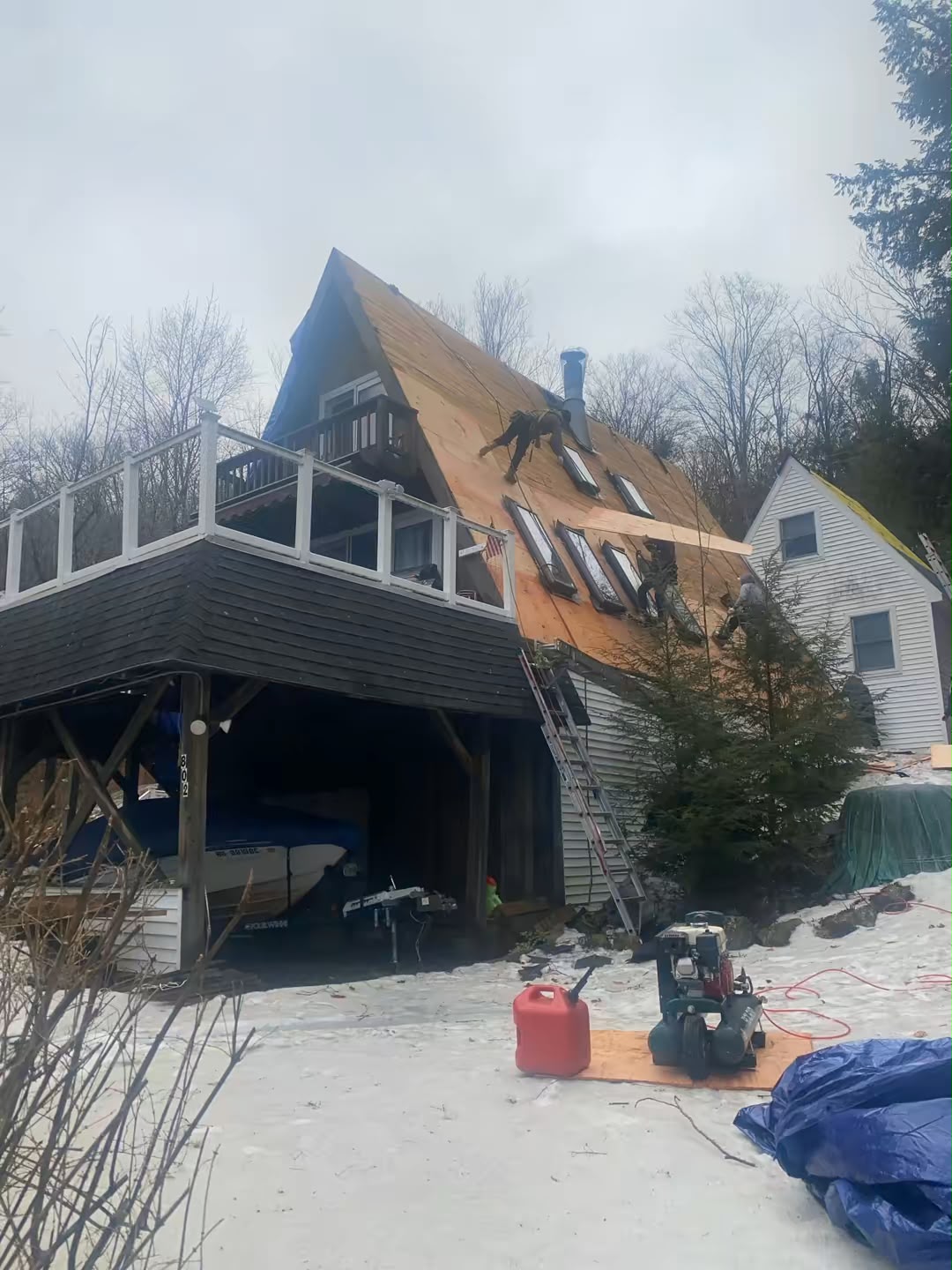
In a state where the temperature swings sixty degrees between January and July, timing a roof replacement is not a small detail. It changes how the shingles go down and how well they seal.
Asphalt shingles have a strip of sealant on the back. Sun and warmth activate it, and the shingles bond into one surface that wind cannot lift. In cold weather that bond takes longer, and sometimes it waits until the following spring.
That single fact drives most of the answer. The best time to replace a roof in New Hampshire is the stretch when the days are warm enough to seal and dry enough to work. In practice that means late spring through fall, with the sweet spot late in that window.
None of which means a roof can only be replaced in September. Crews work through the cold here every year, because a roof that is failing in December cannot wait until May. Timing is about picking the best window when you have the luxury of choosing.
Why Temperature Matters More Than the Calendar
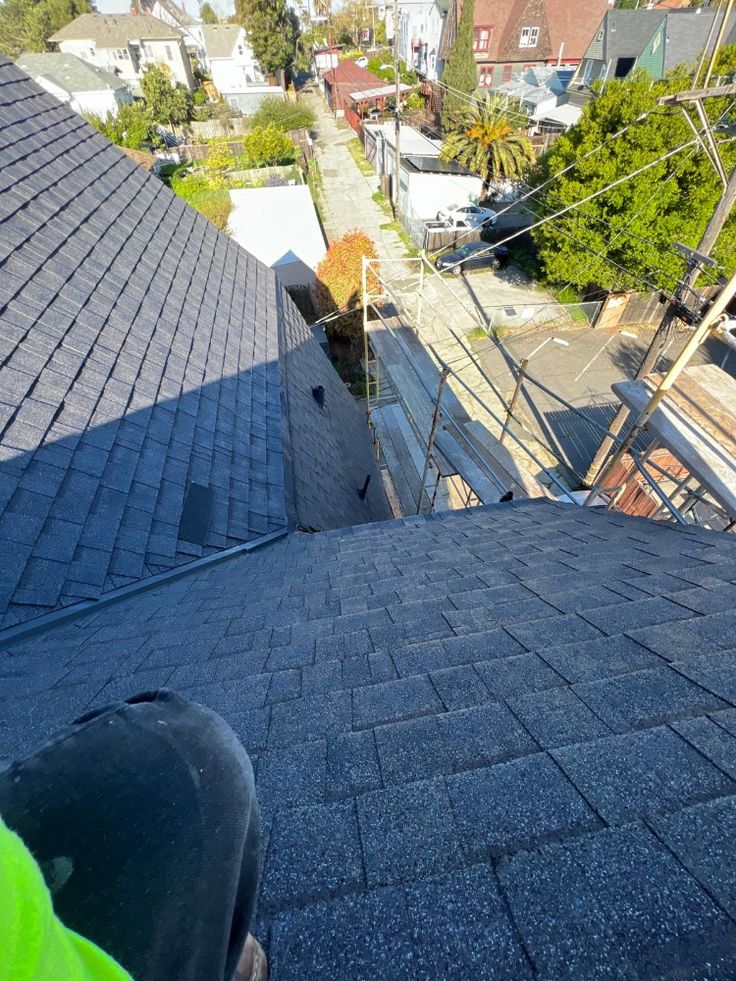
The sealant strip is the whole issue. It needs warmth to activate, and manufacturers generally point to daytime temperatures above the forties for reliable bonding.
Below that, the shingles still go on and the roof is still watertight, but the bond waits. On an exposed hillside that means a windy week in March can lift tabs that have not sealed yet. Crews compensate with hand sealing at the edges and rakes, which works, but it is extra steps.
Cold also makes shingles brittle. They crack more easily when they are handled, cut, and nailed. Neither problem is a reason to avoid winter work when it is necessary. Both are reasons to pick the warm months when the roof gives you a choice.
Spring: Open Schedules, Unpredictable Weather
Spring has one clear advantage. It is the season when winter damage shows up, so it is when most homeowners find out what they are dealing with.
The problem is mud season weather. Rain moves through in stretches, and a tear-off needs a dry window long enough to get the roof open, dry-in, and closed. A crew will not tear off a slope with rain three hours out, which means projects stretch across more days than the work itself requires.
Late spring gets better. By June the ground has dried, temperatures are up, and the sealant bonds properly. It is a solid window, especially on a roof that took damage over the winter and should not wait.
Late Summer and Fall: The Best Window
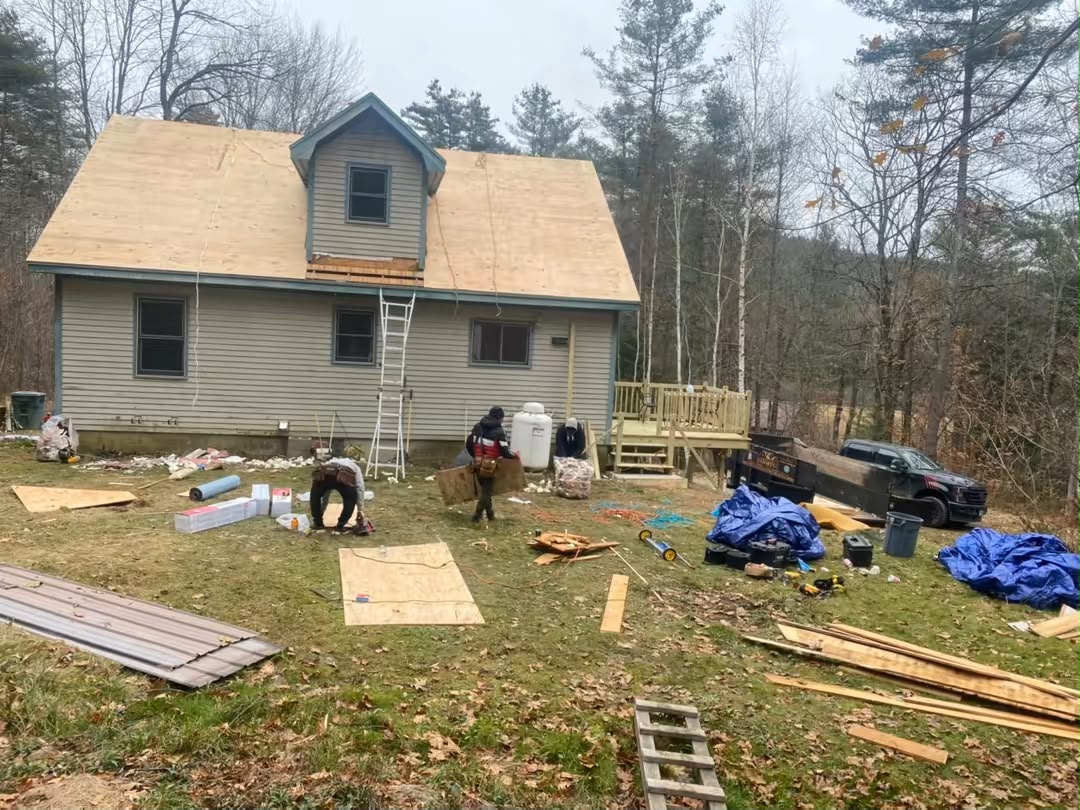
If you can choose, this is it. From August into October you get warm days, low rain, and enough sun to seal shingles within days of installation.
There is a second reason to aim here. A roof finished in the fall goes into winter fully bonded, which is exactly what you want before the first ice forms at the eaves. It is also the natural moment to correct ventilation and add ice and water shield at the eaves.
The catch is demand. Everyone else in New Hampshire figured this out too, so fall schedules fill early. Calling in July for October work is normal here. Calling in October for October work usually is not.
Winter Replacements and When They Make Sense
Roofs fail in January. A tree comes through, a leak spreads across a ceiling, or an ice dam finally wins. When that happens, waiting until spring costs more than the roof does.
Winter work is done here every year. It takes a dry stretch, a crew that hand seals what will not bond on its own, and shingles kept warm before they go up. Snow has to come off the deck first, which adds time to the job.
The honest guidance is simple. If the roof can safely wait, schedule it for the warm months and get on the calendar early. If water is coming into the house, the season stops mattering.